


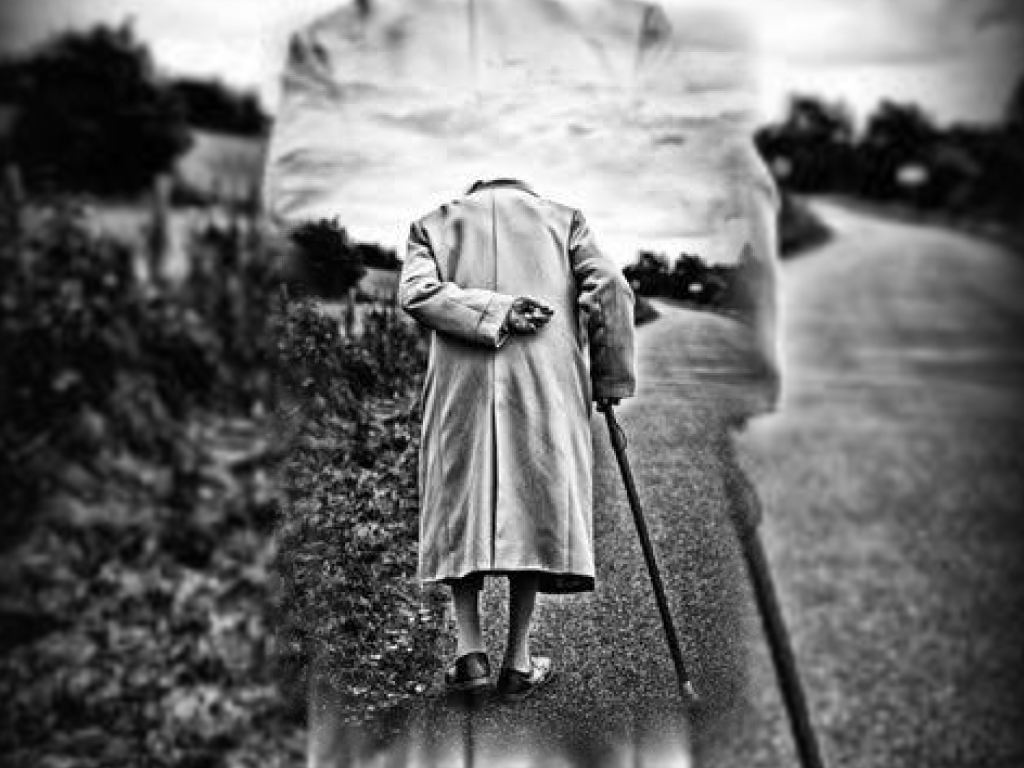
Have you ever noticed, at a family gathering where elders, adults, and children are present, how often people speak around the elders instead of to them? An elderly couple once shared a striking reflection about this feeling of invisibility. “I am here,” one of them said, recalling a family event where they felt overlooked despite being present in the room. They wondered when younger generations began to act as though growing older meant losing the right to be acknowledged. The same people who once showed respect now casually drink, smoke, or use coarse language in their presence. When elders offer advice, they are often dismissed with comments like, “That’s not how it works now,” or “Things were different in your day.”
We seldom pause to truly engage with our elders—to ask about their life experiences, to listen to their stories, or to help them understand how times have changed. No matter how old we become, we must remember that we do not know everything, and that we, too, are aging. As people grow older, their deepest desire is often a sense of belonging and purpose, yet the younger generation tends to overlook this. Too often, elders are labeled as “old-fashioned,” their voices fading into the background as though they were invisible. But have we ever stopped to consider how we might feel when we become “the elderly”? How will we cope with being ignored, or with feeling that our purpose has been stripped away?
The way we treat our elders reveals much about our character and humanity. The attitudes we hold today will shape how we ourselves are treated in the future, for our children learn not only from what we say, but from what they see us do. Patience, empathy, and respect are lessons that must be practiced, especially with those who have come before us. Listening to our elders—even when they repeat familiar stories or share values shaped by a different time—is an act of honoring our heritage. Their stories are the roots of our identity, and through their wisdom, we gain strength, perspective, and continuity.
As Viktor E. Frankl wrote,
“In the past, nothing is irretrievably lost, but rather, everything is irrevocably stored and treasured… The deeds done, the loves loved, and the sufferings endured with courage and dignity remain as the full granaries of the past into which they have brought the harvest of their lives: the deeds done, the loves loved, and last but not least, the sufferings they have gone through with courage and dignity..” From this one may see that there is no reason to pity the old people. Instead, young people should envy them. It is true that the old have no opportunities, no possibilities in the future. But they have more than that: Instead of possibilities in the future, they have realities in the past -the potentialities they have actualized, the meanings they have fulfilled, the values they have realized -and nothing and nobody can ever remove these assets from the past.”
